Exploring CBD for Anxiety: What You Should Know
Anxiety is one of the most common mental health challenges people face today. It can show up as a racing heart before a meeting, a knot in the stomach during a social gathering, or a full-blown panic attack that leaves you breathless. For years, I watched friends and family cycle through various remedies: prescription pills with side effects that felt worse than the condition itself, herbal teas that barely took the edge off, and meditation apps that required more discipline than I had on a bad day. That is when I started looking seriously into cannabidiol, better known as CBD.
CBD is a compound found in hemp extract, and unlike its cousin THC, it does not get you high. What it does offer is a growing body of evidence suggesting it can help with stress relief and, more specifically, with managing the symptoms of anxiety disorders. I am not a doctor, but I have spent enough time reading the research and talking to people who use it to feel confident sharing what I have learned. The key is understanding how CBD interacts with your body and what forms of it actually work for daily anxiety.
How CBD Works in the Body
To understand why cbd for anxiety has become such a popular topic, you need to know about the endocannabinoid system. This is a network of receptors in your brain and nervous system that helps regulate mood, sleep, appetite, and stress response. Your body produces its own cannabinoids, but sometimes that system gets out of balance. CBD steps in by influencing those receptors without binding to them directly. It increases levels of the body’s own endocannabinoids, which can help bring a sense of calm.
Another piece of the puzzle involves serotonin. Serotonin is a neurotransmitter that affects mood, and low levels are linked to anxiety and depression. CBD appears to affect how serotonin signals are transmitted, particularly through the 5-HT1A receptor. That is the same receptor targeted by some prescription anti-anxiety medications, but CBD works more gently, without the risk of dependency or the foggy feeling that often comes with pharmaceuticals.
There is also interesting research around neurogenesis, the process by which new neurons are formed in the brain. Chronic stress and anxiety can actually shrink parts of the brain, like the hippocampus. Some studies suggest that regular use of CBD may support neurogenesis, helping the brain rebuild and regulate stress responses more effectively over time. This is not instant relief, but it points to a deeper, more sustainable benefit for people dealing with long-term anxiety.
Different Forms of CBD and Their Practical Use
When I first started looking into cbd for anxiety, I was overwhelmed by the number of products. Vape pens, gummies, bath bombs, balms, CBD oil, tinctures, the list goes on. Each delivery method affects how quickly and how long the effects last. If you are someone who gets panic attacks and needs fast relief, something like a vape pen or a tincture taken sublingually (under the tongue) can work within minutes. The CBD enters your bloodstream directly without going through your digestive system, so the onset is much quicker.
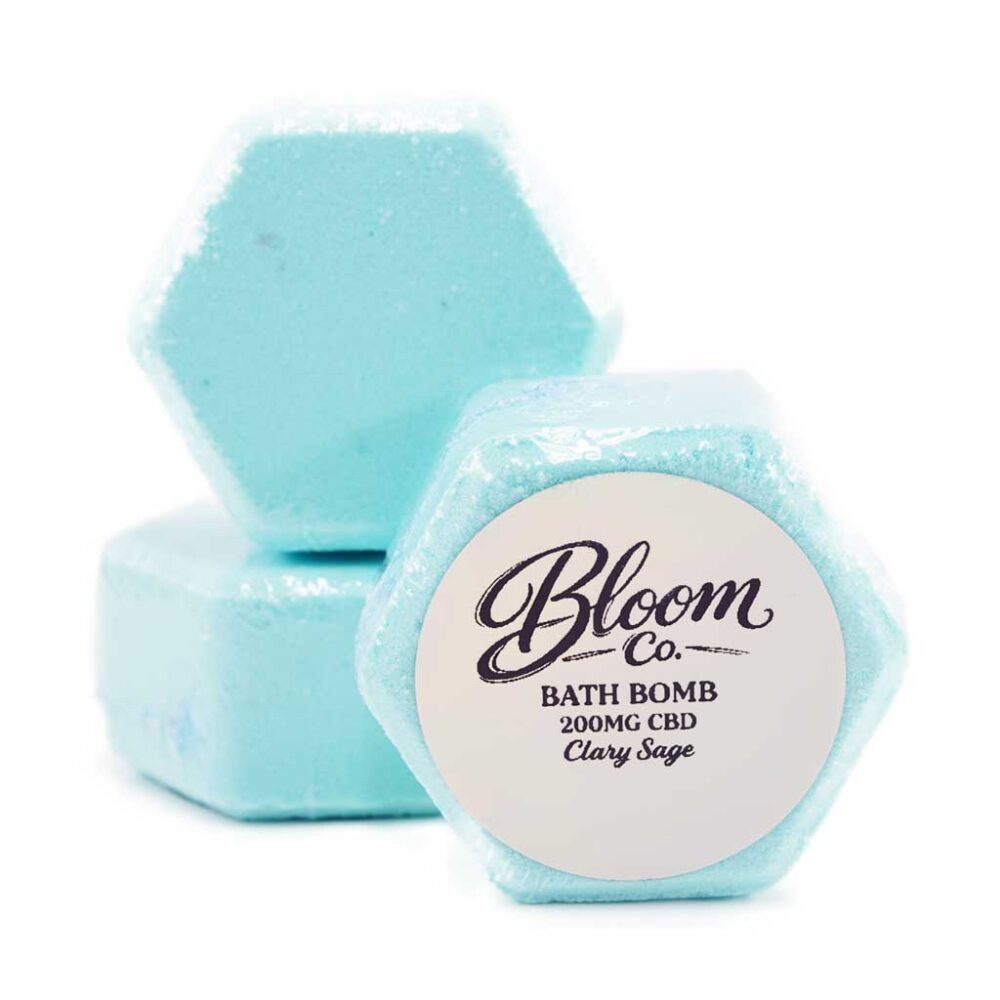
For people dealing with general stress relief or insomnia, edibles like gummies or CBD-infused snacks can be more practical. They take longer to kick in, usually thirty minutes to an hour, but the effects last longer. I have a friend who keeps a small tin of gummies in her bag for particularly stressful workdays. She says it helps her avoid that afternoon crash when tension builds up. Another person I know swears by CBD bath bombs for winding down at night. The combination of warm water, aromatherapy from terpenes, and absorption through the skin creates a ritual that signals your brain to relax.
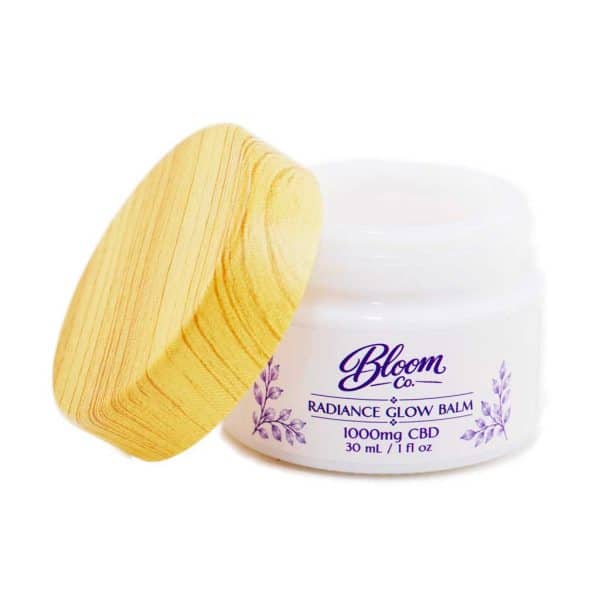
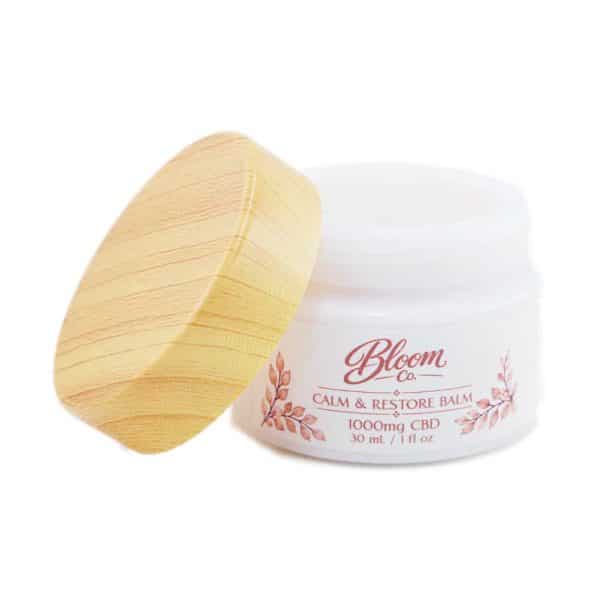
Topical products like balms are less useful for anxiety directly, because the CBD does not reach the bloodstream in high enough concentrations. They are better for localized pain or muscle tension. That said, if your anxiety manifests as tight shoulders or a sore jaw from clenching, a CBD balm applied to those areas can offer some physical relief that indirectly helps your mental state.
Full-Spectrum CBD vs. CBD Isolate
One distinction that matters is the difference between full-spectrum CBD and CBD isolate. Full-spectrum products contain a range of cannabinoids and terpenes from the hemp plant, which work together in what is called the entourage effect. Many users report that full-spectrum CBD feels more effective for anxiety than isolate alone. The presence of other compounds seems to enhance the calming properties of CBD.
CBD isolate, on the other hand, is pure cannabidiol with nothing else. It is useful if you want to avoid any trace of THC or if you are sensitive to other plant compounds. Some people prefer it because it feels cleaner and more predictable. I have tried both, and for me, full-spectrum tends to give a more rounded sense of calm, but isolate works well for a quick, no-fuss dose of relief. It really depends on your body chemistry and what you are trying to treat.
Practical Considerations and Trade-Offs
No product is perfect, and cbd for anxiety is no exception. One of the biggest challenges is consistency. Because CBD is not tightly regulated, the amount of CBD in a product can vary widely from what is listed on the label. A 2017 study tested dozens of CBD products sold online and found that many contained significantly less CBD than advertised, and some had no CBD at all. That is why buying from a reputable source matters. Look for third-party lab testing and clear labeling about whether the product is full-spectrum or isolate.
Another point is dosage. Everyone’s tolerance is different. Starting with a low dose and gradually increasing is the safest approach. For edibles and tinctures, a common starting point is 10 to 20 milligrams of CBD. With vape pens, it is harder to measure, so you have to pay attention to how you feel after a few puffs. If you take too much, you might feel drowsy or get an upset stomach, but those effects are temporary and not dangerous.
There is also the question of long-term use. While CBD is generally considered safe, we do not have decades of data on its effects. Some studies suggest that very high doses over long periods could affect liver function, so it is wise to take breaks and not rely on it as your only coping tool. Combining CBD with therapy, exercise, and good sleep hygiene gives you a more balanced approach to managing anxiety.
Real-World Examples and What to Expect
Let me describe a typical evening for someone using CBD for insomnia and anxiety. They might take a CBD oil tincture sublingually about an hour before bed. The anxiety that usually keeps them awake starts to fade, and they feel a gentle drowsiness. They might also run a bath with a CBD bath bomb, letting the terpenes and warm water loosen their muscles. By the time they get into bed, their mind is quieter, and they fall asleep more easily. This is not a knockout sedative like some sleep aids; it is more like taking the edge off so your brain can settle down naturally.
For daytime stress relief, a low-dose gummy or a few puffs from a vape pen can help without making you feel impaired. I have used both during high-pressure workdays. The effect is subtle. You do not suddenly feel euphoric or disconnected. You just notice that the usual spiral of worry does not grab you as hard. Your thoughts still come, but they feel less urgent.
Final Thoughts
CBD is not a miracle cure for anxiety, and it will not replace professional medical advice. But for many people, it offers a practical, low-risk tool for managing daily stress, panic attacks, and insomnia. The key is to pick the right form for your needs, whether that is a vape pen for fast action, edibles for sustained relief, or a bath bomb for a full sensory wind-down, and to buy from a source that prioritizes quality.
If you are curious about trying CBD for anxiety, start small, pay attention to how your body responds, and give it a few days before judging the effects. Everyone’s endocannabinoid system is different, and what works for one person may not work for another. But with the growing availability of products like tinctures, gummies, and balms, there has never been an easier time to explore whether CBD can play a helpful role in your mental health routine.